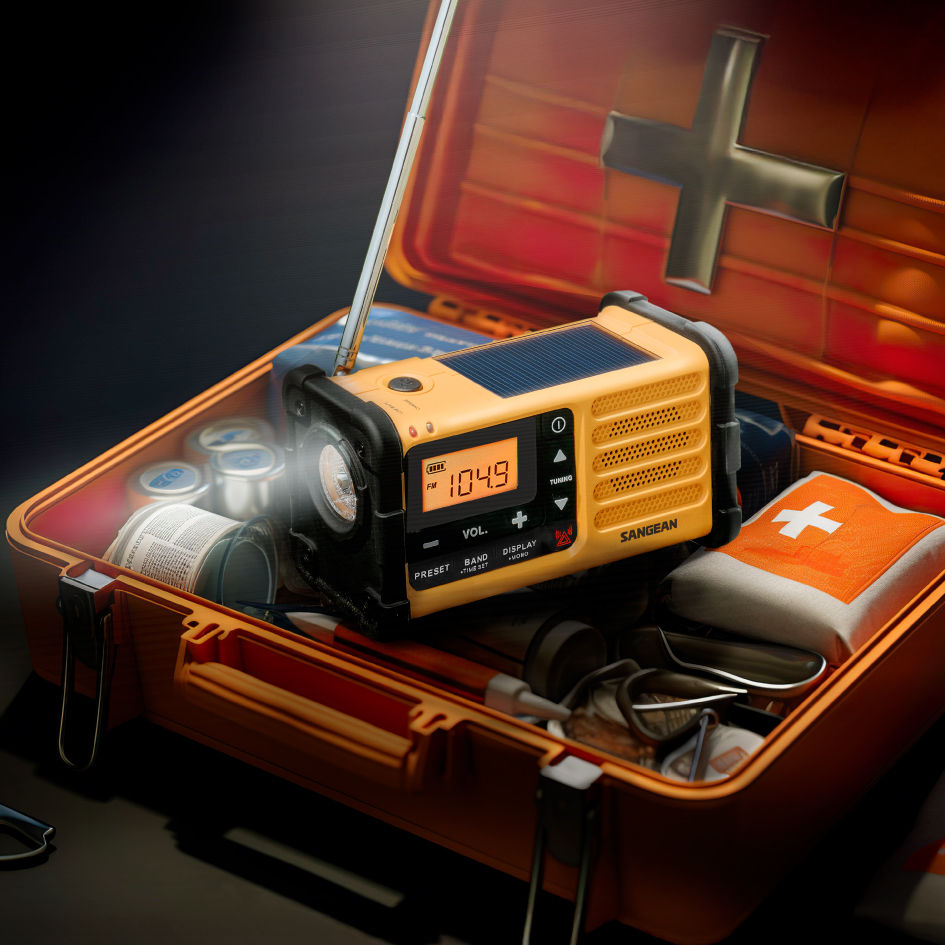
In recent years, the world has faced a range of disruptive events: global pandemics, citywide lockdowns, overwhelmed healthcare systems, intensifying extreme weather, and renewed regional conflicts. Earthquakes remain a constant threat in certain parts of the world.
These are no longer rare or distant occurrences—they are becoming part of everyday life. Supply chains can break down overnight. Electricity and internet access may vanish without warning. Essential services can disappear in an instant.
In this emergency preparedness guide, you'll learn how to respond to these challenges with practical planning and resilient thinking.
Preparedness is no longer a matter of fear, but of responsibility. It isn’t about expecting disaster—it’s about maintaining the freedom to act when it happens. The goal is not to live in fear, but to strengthen our ability to adapt.
Mental Readiness and Risk Awareness: The First Step in Disaster Preparedness
The first step in preparation isn’t gathering supplies—it’s changing how we think. Disasters, whether natural or man-made, are part of life. What matters is whether we’re ready to respond.
Fear and confusion often delay action. Some freeze, others panic. Practicing calm thinking in advance helps us stay focused under pressure.
Preparedness also includes family and community awareness. Discussing “what if” scenarios can feel uncomfortable, but it prevents chaos later. Knowing roles, responsibilities, and communication methods gives everyone a sense of direction.
Mental resilience also matters after the crisis. In long disruptions, trust, cooperation, and emotional stability become critical. Preparedness is not just physical—it’s also about how we think, react, and support each other.
How to Prepare for Emergencies: Creating a Practical Family Emergency Plan
One of the greatest causes of confusion during a crisis is the lack of a clear plan. Establishing a straightforward family emergency plan ahead of time can significantly reduce panic and improve safety outcomes.
Ideally, every household should have at least two scenarios planned: one for sheltering in place (such as staying home after an earthquake) and another for evacuating quickly (such as in a fire, conflict, or severe structural damage). Each situation calls for different supplies, routes, and communication strategies.
Each family member should understand:
- Escape routes and alternate exits in the home
- Agreed-upon meeting points (e.g., a park or open space nearby)
- Primary and backup contact methods (phone numbers, group chats, written lists)
- Who is responsible for assisting children, elders, or pets
- Location of emergency kits and supplies
The plan doesn’t need to be overly complex. The goal is for everyone to know what to do, where to go, and how to stay in touch. Reviewing and practicing the plan once a year can significantly boost your family’s ability to act effectively under stress.
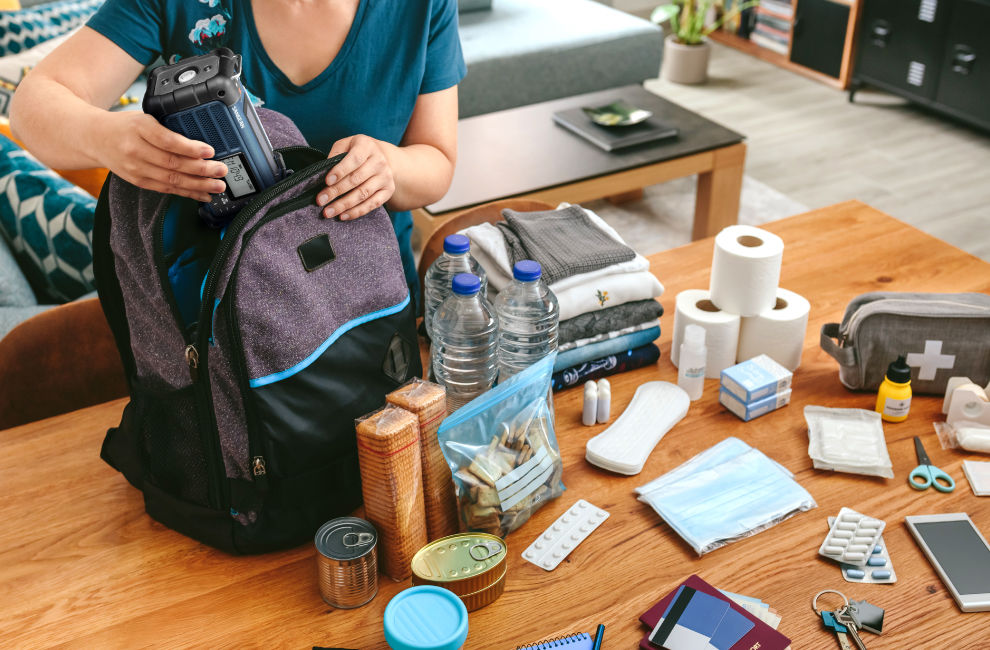
Building Your Emergency Supplies: A Layered Disaster Preparedness Guide
Effective preparedness does not require hoarding, but rather layered and context-appropriate supply planning. This typically includes two categories: the go-bag (for evacuation) and home reserves (for staying in place during disruptions).
A. Go-Bag (One per person, placed near exits)
- 3-day supply of water and ready-to-eat food (e.g., energy bars, canned goods)
- Basic first aid kit and personal medications
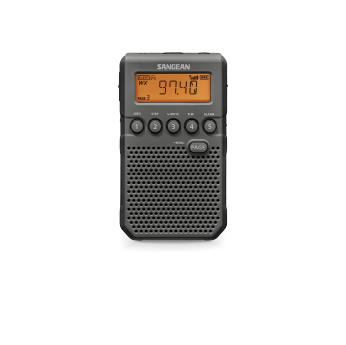
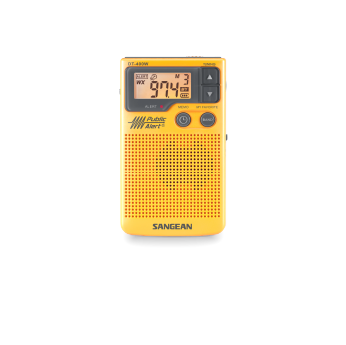
- Portable radio, flashlight, power bank
- Weather-appropriate clothing, rain gear, blanket
- Whistle, multi-tool, lighter/matches
- Hygiene items (face masks, wet wipes, sanitation bags)
- Copies of identification and small cash (preferably in small bills and coins)
B. Home Reserves (For at least 7 days of sheltering in place)
- Drinking and cleaning water (3–5 liters per person per day)
- Long-lasting food items (rice, instant meals, dry goods)
- Portable gas stove and extra fuel
- Backup lighting tools and batteries
- Sanitation solutions (e.g., plastic bucket toilet, disinfectants)
- Alternative communication (radio, landline phone if available)
It's important to regularly check and rotate supplies to avoid expiration. Households with special needs—such as infants, the elderly, those with chronic illnesses, or pets—should prepare tailored resources accordingly.
Emergency Communication: Staying Informed When It Matters Most
In many emergencies, power and internet services may be disrupted. Having alternative means to access information and communicate is essential.
- Keep a physical contact list and paper maps
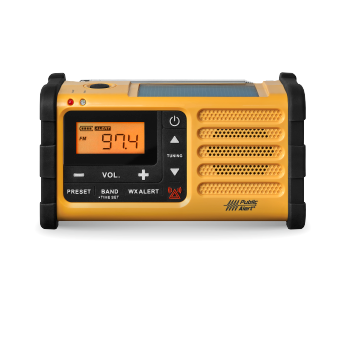
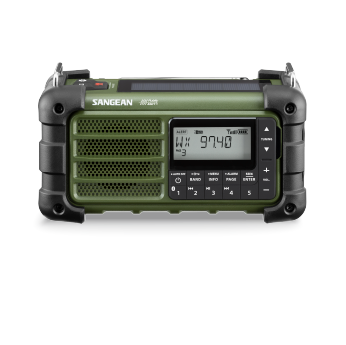
- Use a hand-crank or solar-powered radio to receive broadcasts
- Write down critical information: nearby hospitals, shelters, family addresses
- Avoid relying solely on a single social media platform or app
Access to accurate information shapes good decisions, and good decisions often determine survival. Even in a highly connected world, having offline access to essential information remains a vital preparedness measure.

Everyday Resilience as Emergency Preparedness: Small Steps, Big Impact
Preparedness is not panic—it’s a way of life. Small changes in our daily routines can build long-term resilience.
- Learn basic cooking, repair, and water purification skills
- Grow small food crops or herbs at home
- Store and rotate non-perishable essentials throughout the year
- Join neighborhood emergency groups and community support networks
- Review and update your emergency supplies every season
Resilience also extends beyond physical needs. Think about backing up important documents, managing financial risks, and maintaining social connections that can provide support in times of need.
Conclusion: Preparing to Live with Dignity in Uncertain Times
Stability has never been guaranteed. In an unpredictable world, basic self-sufficiency and emergency preparedness are not luxuries—they are essential skills. By preparing supplies, planning ahead, and practicing how to respond, we aren’t choosing fear—we’re choosing dignity, agency, and the ability to protect ourselves and others.
Perhaps we will never need to use these preparations. Mastering how to prepare for emergencies ensures your family’s safety in any disaster scenario. But if the time comes, they may make all the difference—not just in surviving, but in preserving the kind of life worth returning to.

_A01.jpeg)